Powder Filling Into Jars & Tubs Product Behaviour
Provide representative powder batches and describe normal variation in flow and dustiness. Retain the sample condition with the trial setup and quantity/closure-area observations.
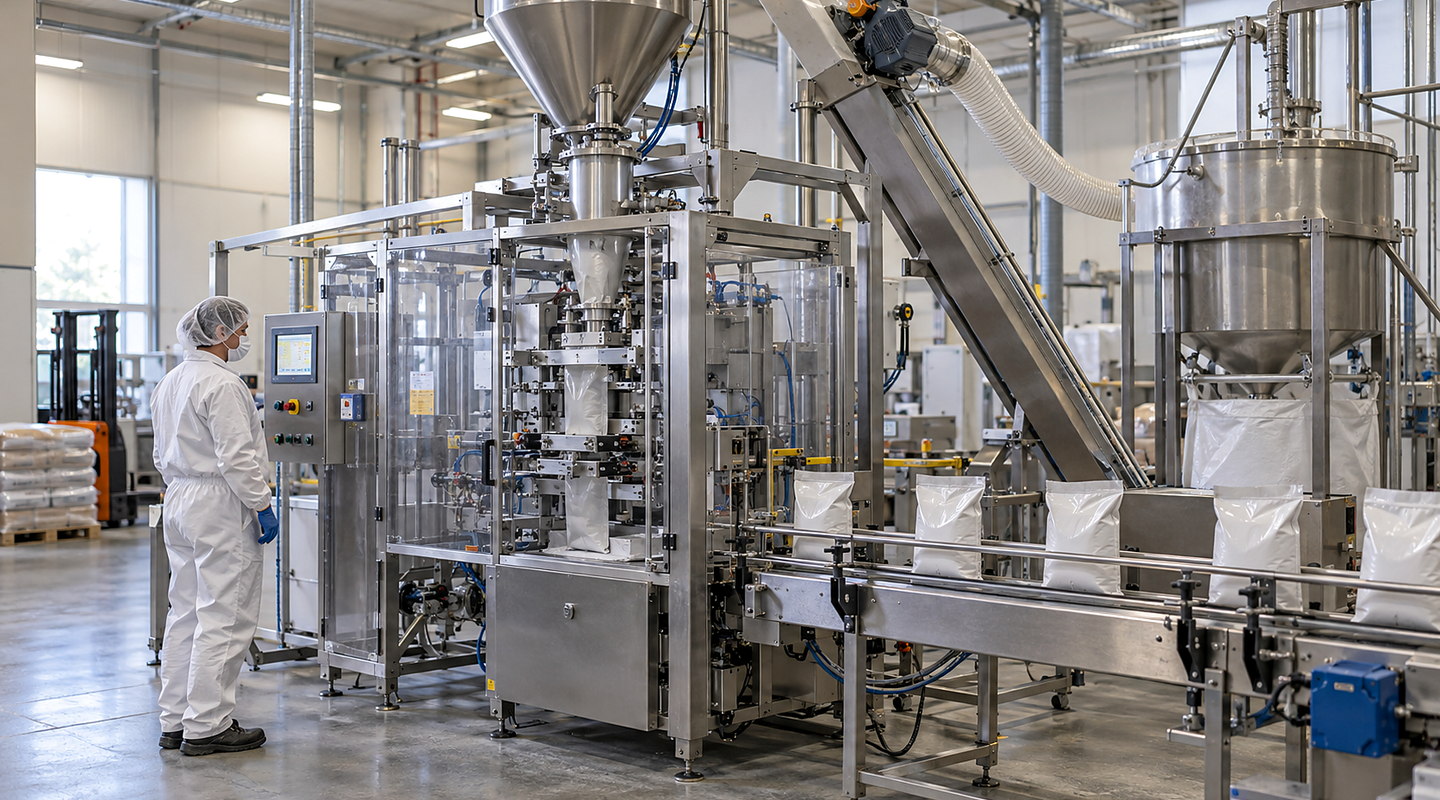
Plan routine powder filling trials for jars and tubs with identified samples, individual quantity results, closure-area checks, replenishment and changeover.
For repeated powder filling into jars or tubs, trial the identified powder and packaging range over the agreed operating pattern. Keep individual filled-quantity results, neck/closure-area observations, completed-pack checks, replenishment and rejected-jar handling in the record.
Retain sample and setup identities, product condition and the result criteria. Use the jar/closure sample review and line-interface review to state what was tested and what the surrounding process must provide. No universal accuracy, rate or hygiene result is assumed.
Plan powder jar filling around your product, pack range, target output, cleaning needs and finished-pack checks. Discuss a practical line concept with Lancing using representative samples. For routine production using powder filling into jars and tubs, the deciding details include powder filling into jars & tubs product behaviour, target dose, count or pack weight and finished-pack checks and reject handling.
Discuss your application
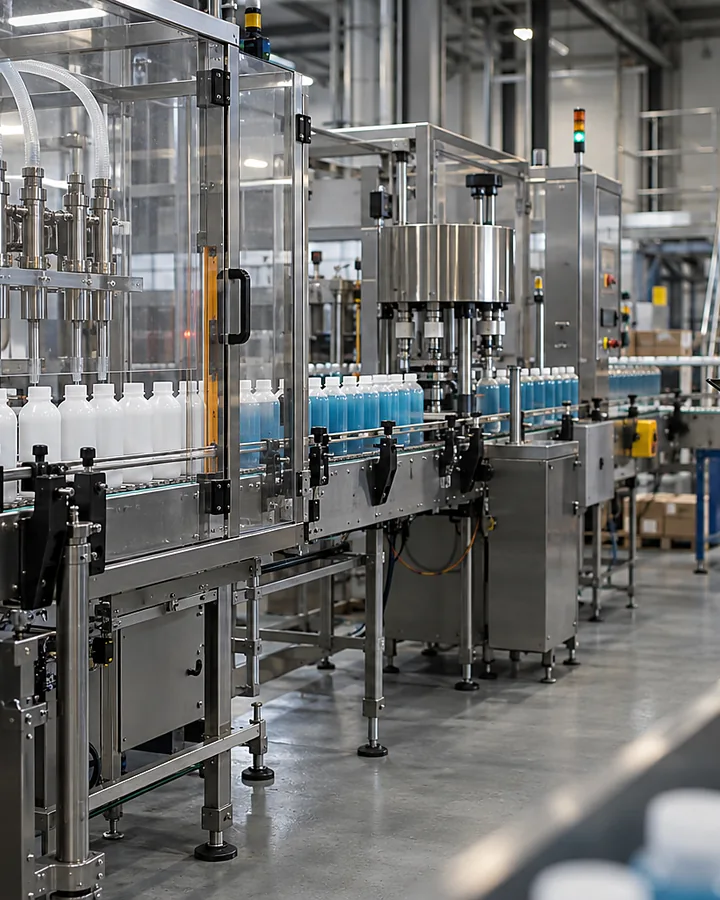
Provide representative powder batches and describe normal variation in flow and dustiness. Retain the sample condition with the trial setup and quantity/closure-area observations.
Supply production jars or tubs with their intended closures and drawings or sample references. Include the opening and support features so positioning, dosing entry and outlet withdrawal are assessed across the agreed range.
State the target filled quantity for each product/format and agree the checking method. Retain individual results and relevant tare assumptions; check powder around the neck separately from quantity.
Define the intended job mix and accepted completed-jar output over an agreed run. Include replenishment, short stops, interventions, rejected jars and format changes rather than a dosing cycle alone.
State the site’s approved cleaning, line-clearance and first-jar-release requirements. Identify who performs and approves the work, which contact parts/settings change and what remains outside the equipment trial.
Agree separate quantity, neck/closure-area and completed-pack checks. Define how unacceptable or unconfirmed jars are held or rejected, who decides the response and which records close the trial.
Include replenishment, normal production, planned change, short stops, fault recovery, cleaning and maintenance for routine production using powder filling into jars and tubs. A fast automatic step can still leave your team with a slow or awkward overall process.
Run the agreed product or part mix for routine production using powder filling into jars and tubs at your intended operating pattern.
Include credible extremes for powder filling into jars & tubs product behaviour and container, bag or pack range.
Show how the proposed solution detects a problem affecting routine production using powder filling into jars and tubs, responds safely, informs your team and restarts under control.
Compare with Short Runs and Format Changes Involving Powder Filling Into Jars and Tubs if that operating pattern is closer to your application.